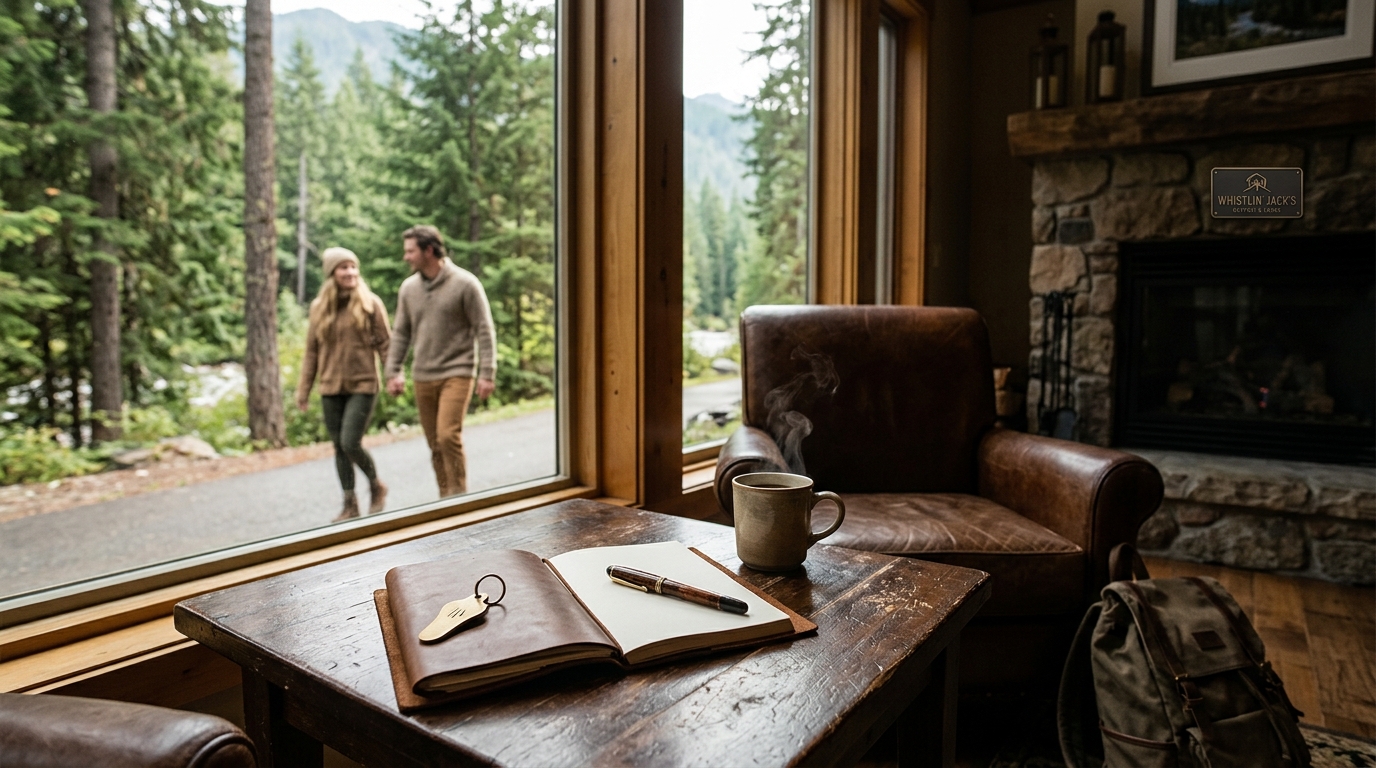
Planning a mountain getaway in the Pacific Northwest requires more than just packing your bags. It demands a clear understanding of the financial landscape for 2026. Recent industry data indicates that average weekend rates for premium mountain lodges in Washington and Oregon have increased by approximately 12% compared to pre-pandemic levels. This shift reflects a broader trend where travelers prioritize high-quality, secluded experiences over standard hotel stays. Understanding these costs is essential for budgeting effectively without sacrificing the quality of your retreat. (Whistlin Jack s Outpost)
Key Factors Influencing Weekend Pricing
The cost of a weekend stay at a mountain lodge is rarely a flat rate. It is a dynamic figure influenced by location, accommodation type, and the specific services you require. In the Pacific Northwest, the proximity to major urban centers like Seattle or Portland drives significant price fluctuations. Lodges located within a two-hour drive of these cities command higher premiums due to demand.
Another critical factor is the type of lodging unit. A standard hotel room offers predictable pricing, but a private cabin or a lodge suite often carries a higher base rate due to the exclusivity and space provided. According to recent hospitality reports, private cabin rentals in the Cascades often cost 30% more than comparable hotel rooms during peak seasons. This premium buys privacy, direct access to nature, and often, unique amenities like private hot tubs.
Service levels also play a major role. Lodges that offer full-service dining, concierge planning, and curated experiences will naturally have higher nightly rates. However, these costs are often offset by the convenience and quality of the experience. For instance, a lodge that includes a gourmet breakfast and a welcome charcuterie board provides value that extends beyond the room itself.
Seasonal Variance and Peak Demand
Seasonality is the single most powerful driver of price in the Pacific Northwest mountain market. The region experiences distinct high and low seasons, each with its own pricing tier. Understanding these cycles is crucial for securing the best rate.
Summer and Fall Peaks
Summer and early fall are the most popular times for mountain lodges. The weather is reliable, hiking trails are accessible, and the scenery is at its peak. During these months, particularly in July and August, rates can double compared to the winter months. Data shows that weekend occupancy rates for premium lodges often exceed 90% during this period. This high demand forces properties to adjust their pricing models upward to manage capacity and maximize revenue.
Winter and Spring Value
Winter offers a different kind of appeal, centered around snow sports and cozy fireside evenings. While ski resorts charge premium rates for proximity to slopes, general mountain lodges often see a dip in pricing during non-holiday weekdays. However, holiday weekends, such as Presidents Day or Memorial Day, see a sharp spike in rates. Spring is typically the shoulder season, offering lower rates but with less predictable weather. Travelers seeking value often find the best deals in late November or early December, just before the holiday rush begins.
The Cost of Premium Amenities
Modern travelers expect more than just a bed and a bath. They expect curated experiences that enhance their stay. These add-ons contribute significantly to the total cost of a weekend getaway. Understanding what these amenities cost allows you to budget accurately.
One of the most popular add-ons in the Pacific Northwest is the private hot tub. Many lodges have recently upgraded their properties to include these features. For example, Whistlin' Jack's Outpost & Lodge has installed brand new hot tubs throughout the property to enhance guest comfort. While the base room rate covers the accommodation, premium amenities like these are often included in the higher-tier suite rates or offered as paid upgrades.
Dining is another major cost component. While some lodges offer all-inclusive packages, most operate on a pay-as-you-go model. A typical dinner at a mountain lodge can range from $40 to $80 per person. Breakfast, if not included, might cost an additional $20 to $30 per person. However, many lodges now offer special occasion add-ons that provide better value. For instance, a charcuterie board paired with local wine can cost around $80 for two people, which is often cheaper than ordering individual meals at a restaurant.
Other amenities, such as fresh flower bouquets or sparkling wine toasts, add a touch of luxury for a modest fee. These small costs can significantly enhance the romantic or celebratory nature of a trip. A bouquet of fresh flowers might cost $75, while a bottle of Treveri Blanc de Blanc with custom glasses could be $50. These are not just expenses; they are investments in creating memorable moments.
Lodge vs. Cabin vs. Hotel Pricing
Choosing between a lodge, a cabin, and a hotel depends on your budget and desired experience. Each option has distinct pricing characteristics.
| Accommodation Type | Average Weekend Cost (2026) | Best For | Key Features |
|---|---|---|---|
| Mountain Lodge | $300 - $600 per night | Social travelers, events | On-site dining, concierge, shared amenities |
| Private Cabin | $400 - $900 per night | Couples, families | Privacy, kitchenettes, hot tubs |
| Boutique Hotel | $250 - $500 per night | Budget-conscious travelers | Standard services, central location |
Lodges like Whistlin' Jack's offer a unique middle ground. They provide the privacy of a cabin with the services of a hotel. This hybrid model often results in competitive pricing for the value provided. You get the rustic charm and outdoor access of a cabin, along with the convenience of on-site dining and event planning.
Hotels, while often cheaper, lack the immersive mountain experience. They are better suited for travelers who plan to spend most of their time exploring the region rather than relaxing at their accommodation. Cabins, while offering the most privacy, can be the most expensive option, especially if you require a large property for a group.
Key Takeaways
- Price Volatility: Weekend rates in the Pacific Northwest can fluctuate by up to 100% depending on the season and demand.
- Amenity Value: Add-ons like charcuterie boards and wine pairings offer high value for special occasions, often costing less than external dining.
- Location Premium: Lodges in the Central Cascades, such as those in Naches, WA, offer a strategic balance of accessibility and seclusion.
- Booking Strategy: Booking 3 to 6 months in advance is critical for securing preferred rates during peak summer and fall seasons.
- Hidden Costs: Always inquire about cleaning fees, resort fees, and taxes, which can add 15-20% to the base rate.
- Group Savings: Lodges often offer better per-person rates for groups booking multiple rooms or cabins for events.
- Value Definition: The total cost should be weighed against the quality of the experience, including dining and amenities provided on-site.
Frequently Asked Questions
What is the average cost of a weekend stay at a mountain lodge in the Pacific Northwest?
The average cost typically ranges from $300 to $600 per night for a lodge room, while private cabins can range from $400 to $900 per night. These prices vary significantly based on season and location.
Are there additional fees for amenities like hot tubs?
Many modern lodges include hot tub access in the room rate or offer them as a paid upgrade. It is best to check the specific property details, as some lodges like Whistlin' Jack's have recently upgraded their hot tub inventory to enhance guest comfort.
How far in advance should I book to get the best rate?
For peak seasons like summer and fall, booking 3 to 6 months in advance is recommended. This ensures availability and often secures lower rates before last-minute price hikes.
Do mountain lodges offer dining options?
Yes, most premium lodges offer on-site dining, including breakfast, lunch, and dinner. Some also provide special occasion add-ons like charcuterie boards and wine pairings to enhance the dining experience.
What is the cancellation policy for mountain lodges?
Cancellation policies vary by property. Many lodges offer flexible cancellation up to 7-14 days before arrival, while others may have stricter non-refundable rates for discounted bookings. Always review the specific policy before booking.
Is it cheaper to stay at a lodge or a hotel?
Lodges can be more expensive than standard hotels due to their location and amenities. However, they often provide better value for the experience, including privacy and direct nature access. Hotels may be cheaper but lack the immersive mountain environment.
What are the best months to visit for lower rates?
Winter weekdays and late fall are typically the most affordable times to visit. Holiday weekends and summer months see the highest rates due to increased demand.
Book Your Central Cascades Getaway
Understanding the costs of a mountain lodge stay is the first step to planning a successful trip. Whistlin' Jack's Outpost & Lodge offers a unique blend of rustic charm and modern comfort in the heart of the Central Cascades. With new hot tubs, premium dining options, and a serene riverside setting, we provide the perfect backdrop for your next escape.
Whether you are planning a romantic getaway, a family reunion, or a corporate retreat, our team is ready to help you create lasting memories. Explore our accommodation options and special add-ons to customize your experience. For immediate assistance, contact us or call 509.658.2433 to check availability and secure your dates.