The Pacific Northwest has long been a premier destination for travelers seeking rugged natural beauty and serene escapes. According to recent hospitality industry data, the average nightly rate for a mid-range lodge in this region has increased by approximately 15% over the last three years due to high seasonal demand. This financial shift makes understanding the true cost of a mountain getaway essential for budget-conscious planners. Many visitors underestimate the total expense, which often includes dining, activities, and premium amenities that elevate the experience beyond a simple room rental.
Understanding Pricing Factors
When evaluating the cost of a weekend stay, several variables influence the final price tag. Location is the primary driver. Lodges situated directly on riverbanks or with panoramic mountain views command a premium. For instance, a property located in the Central Cascades, such as Whistlin' Jack's Outpost & Lodge, offers a unique blend of historical charm and modern comfort that justifies its pricing structure.
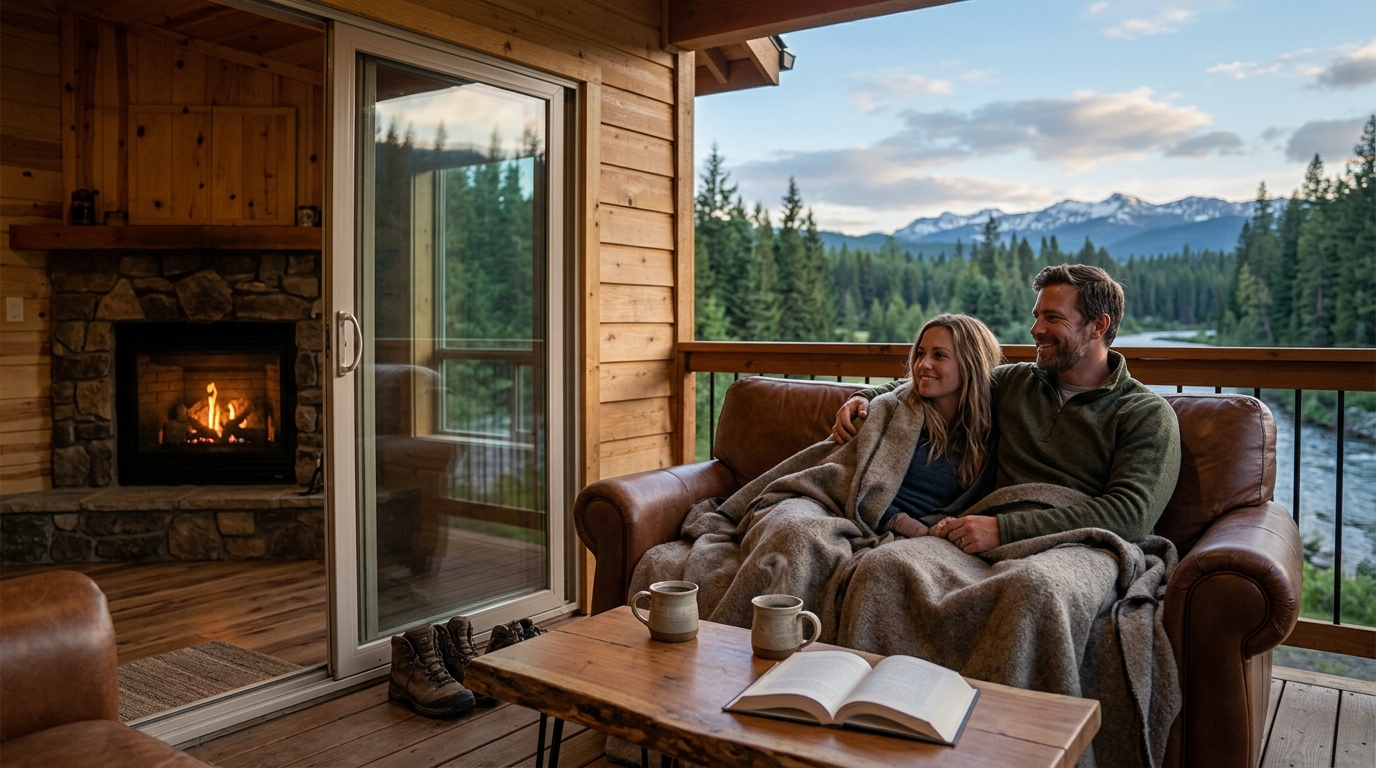
Another critical factor is the type of accommodation. A standard room differs significantly in cost from a private cabin or a lodge suite. The definition of a lodge is a large, typically rustic house or building used as a shelter or residence, often in a remote or mountainous area. These structures often feature communal spaces, fireplaces, and private decks, which increase operational costs and, consequently, the nightly rate.
Guests must also consider the level of service provided. Full-service lodges with on-site dining, concierge services, and activity coordination typically charge more than self-catering options. However, the convenience and curated experience often provide better overall value for a short weekend trip.
Seasonal Variance and Peak Times
Seasonality plays a massive role in Pacific Northwest lodging costs. Summer months, particularly July and August, represent the peak season. During this period, demand surges as families and couples seek outdoor adventures. Data from regional tourism boards indicates that weekend rates can double compared to weekday stays during these peak months.
Winter is another high-cost period, driven by ski tourism. Lodges near major ski resorts see their highest rates in December and January. Conversely, the shoulder seasons of spring and late fall offer more competitive pricing. Travelers who are flexible with their dates can often secure significant discounts by avoiding the absolute peak of summer or winter holidays.
Understanding these cycles allows for strategic booking. Booking three to six months in advance is often recommended for peak season travel to secure the best available rates. Last-minute bookings during peak times often result in limited availability and inflated prices.
The Value of Added Amenities
Modern travelers expect more than just a place to sleep. The definition of a hot tub is a large tub filled with heated water, used for relaxation and hydrotherapy. In the Pacific Northwest, private hot tubs have become a standard expectation for luxury lodges. Properties that offer private, heated hot tubs on the deck often justify higher nightly rates because they provide an immediate, private relaxation experience after a day of hiking or sightseeing.
Other high-value amenities include high-speed Wi-Fi, which is essential for remote workers, and premium bedding. The introduction of new mattresses and high-thread-count linens can significantly impact guest satisfaction and perceived value. For example, Whistlin' Jack's recently upgraded its mattresses and installed new hot tubs throughout the property to enhance guest comfort.
Special occasion add-ons also contribute to the total cost but enhance the overall experience. Options such as curated charcuterie boards, wine pairings, and fresh flower arrangements allow guests to customize their stay. These add-ons typically range from $40 to $80 per item, providing a convenient and luxurious touch without the need to leave the property.
Dining and Culinary Experiences
Food costs can quickly inflate a weekend budget. Lodges that offer on-site dining often provide breakfast and dinner menus. While convenient, these meals are priced at a premium compared to local restaurants. A typical breakfast at a mountain lodge might cost between $20 and $35 per person. Dinner options, especially those featuring local ingredients and craft beverages, can range from $40 to $75 per person.
For those seeking a more budget-friendly approach, some lodges allow guests to bring their own food or provide kitchenettes in cabins. However, the culinary experience is often a highlight of the stay. A curated charcuterie board, for instance, offers a sophisticated dining option that requires no preparation. The cost of such a board, often around $40, is a small price to pay for the convenience and quality provided.
Understanding the dining options available at your chosen lodge is crucial for accurate budgeting. Some properties may have restrictions on outside food, while others may offer discounted rates for guests who prepare their own meals.
Lodge vs. Cabin vs. Hotel
Choosing the right type of accommodation depends on your budget and desired experience. The following table compares the typical characteristics and cost ranges of different lodging types in the Pacific Northwest.
| Lodging Type | Average Weekend Cost (Per Night) | Best For | Key Features |
|---|---|---|---|
| Mountain Lodge | $250 - $500+ | Couples and small groups seeking ambiance | Communal spaces, on-site dining, scenic views |
| Private Cabin | $200 - $400 | Families and privacy seekers | Kitchenettes, private decks, hot tubs |
| Boutique Hotel | $180 - $350 | Budget-conscious travelers | Standard amenities, central location |
| RV Park/Campground | $50 - $150 | Outdoor enthusiasts | Basic utilities, communal facilities |
Lodges often provide a more immersive experience than hotels, with a focus on nature and relaxation. Cabins offer more privacy and self-sufficiency but may lack the social atmosphere of a lodge. Hotels provide consistency and standard amenities but may feel less connected to the natural surroundings.
Key Takeaways
- Seasonal Impact: Peak summer and winter months see rates up to 100% higher than shoulder seasons.
- Amenity Costs: Private hot tubs and premium bedding are standard expectations for higher-priced lodges.
- Dining Budget: On-site dining typically costs $20-$75 per person per meal.
- Booking Strategy: Reserving 3-6 months in advance secures the best rates during peak times.
- Add-On Value: Curated experiences like charcuterie boards and wine pairings enhance the stay for a modest additional cost.
- Location Premium: Riverfront and mountain-view properties command a significant price premium.
- Definition of Value: A getaway is a short vacation taken to relax and escape daily routine, often justifying higher costs for unique experiences.
Frequently Asked Questions
What is the average cost of a weekend stay in the Pacific Northwest?
The average cost varies widely, but a mid-range lodge typically costs between $250 and $500 per night. Total weekend costs, including dining and activities, often range from $800 to $1,500 for two people.
Do mountain lodges offer private hot tubs?
Many modern mountain lodges, including Whistlin' Jack's, offer private hot tubs on decks or patios. These amenities are increasingly common and often justify higher nightly rates due to the added privacy and relaxation benefits.
How far in advance should I book for peak season?
For peak summer and winter seasons, it is recommended to book three to six months in advance. This ensures availability and often provides access to better pricing tiers before last-minute surges occur.
Are there dining options at mountain lodges?
Yes, many lodges offer on-site dining, including breakfast and dinner menus. Some also provide special occasion add-ons like charcuterie boards and wine pairings. It is best to check the specific lodge's menu and policies in advance.
What is the difference between a lodge and a cabin?
A lodge is typically a larger building with communal spaces and often on-site services like dining. A cabin is usually a smaller, private structure, often with a kitchenette, offering more seclusion and self-sufficiency.
Can I bring my own food to a lodge?
Policies vary by property. Some lodges encourage bringing your own food to save costs, while others may have restrictions or offer discounted rates for guests who utilize their kitchen facilities. Always check the specific property's policy.
What are common add-on amenities at lodges?
Common add-ons include private hot tubs, gourmet breakfasts, charcuterie boards, wine packages, and fresh flower arrangements. These enhance the experience and are often available for an additional fee.
Book Your Escape
Planning a weekend getaway to the Pacific Northwest requires careful consideration of costs and experiences. By understanding the factors that influence pricing and the value of added amenities, you can make informed decisions that maximize your enjoyment. Whether you seek a romantic retreat, a family adventure, or a corporate retreat, the right lodge can provide an unforgettable experience.
For those looking to experience the beauty of the Central Cascades, Whistlin' Jack's Outpost & Lodge offers a unique blend of comfort, history, and natural beauty. With new hot tubs, premium mattresses, and curated add-on experiences, it stands out as a premier destination. Explore our accommodation options and special add-ons to plan your perfect escape. Contact us today to reserve your stay and enjoy the tranquility of the mountains.